 WhatsApp
 Facebook
 Instagram


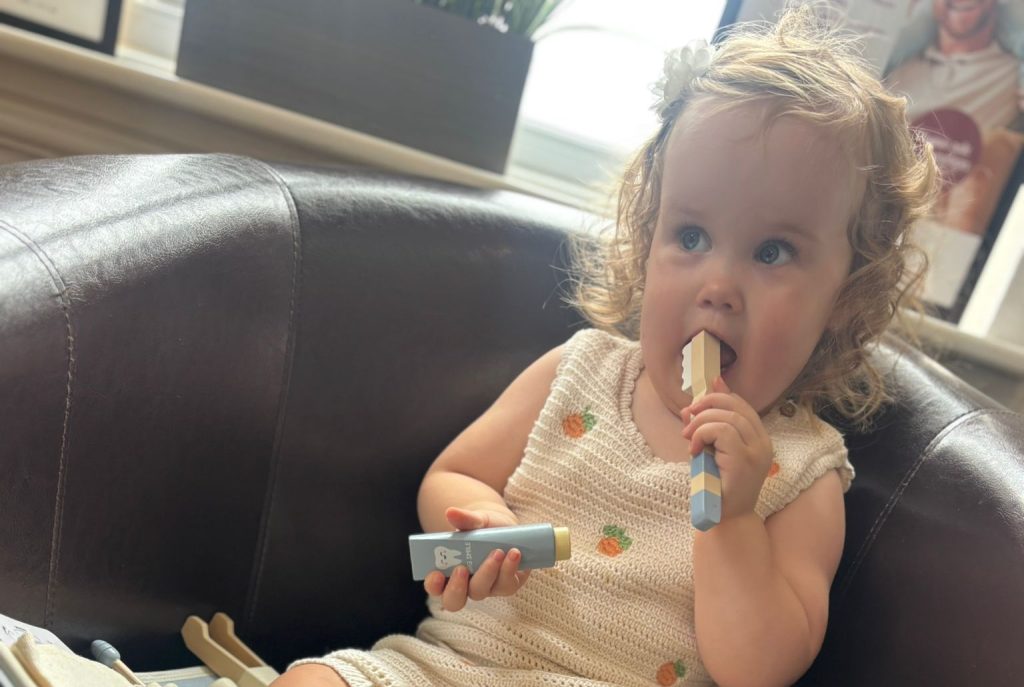
Welcome to Willows Dental & Implant Centre. We know that healthy mouths mean better visits to the dentist- so read on for our handy guide to brushing tips for kids.
Healthy mouths start young
We are passionate about helping people to protect their teeth from a young age. Good dental hygiene starts with proper brushing, but we know that it can be tricky with little ones! Don’t worry, brushing doesn’t have to be a battle. Below are some tried and tested brushing tips for kids. Every child is different, so see what works best for your family.
First up- why good brushing technique is important
We know that healthy habits form early on and lay the foundation for happy smiles throughout life. Good brushing means better teeth, better teeth means less stress when visiting the dentist- and less work that needs to be done later in life.
Building a routine with your little ones early on means that they will understand, participate in and eventually own the process. Here are our top tips to make that happen with less fuss and more fun.
Top tips for happy mouths
#1 Begin early
Even before your baby has teeth, maintain good oral hygiene by wiping gums with a soft, clean cloth or gauze dampened with water. This helps remove bacteria and gets your child used to your hands in their mouth.
When the first tooth appears, switch to a baby toothbrush with extra soft bristles and start using a tiny amount of fluoride toothpaste (we recommend a piece the size of a grain of rice).
Brush twice a day, morning and night, from the start. The more consistent you are, the more normal brushing feels to your child.
# 2 Choose the right tools
It’s really important to get your little ones involved and excited about brushing their teeth. The good news is that there are loads of really cool toothbrushes and flavoured toothpastes out there now to help you make brushing more fun.
Top tips:
Use toothbrushes designed for children with small heads, soft bristles and easy grips. Let your child pick their toothbrush and toothpaste flavour (just make sure it’s child-safe and contains fluoride). This will give them a sense of independence and make it more fun to do.
If your little ones love gadgets, then try a child‑friendly electric toothbrush or a model with a timer. This can make brushing more like a game and encourage them to brush for longer.
Use lightly flavoured toothpaste. Overpowering or minty flavours that might be too strong for little mouths early on.
#3 Teach the technique- it’s as easy as 1,2,3,4.
Children often don’t realise they need to brush all over. We recommend front, back, chewing surfaces, and along the gum line. Try this:
- Divide the mouth into four zones (upper left, upper right, lower left, lower right). Spend around 30 seconds per zone to ensure coverage.
- Use a soft circular motion, angling the brush where teeth meet gums.
- Brush gently but thoroughly, there’s no need to scrub hard.
- For younger children, you do the brushing or finish off the hard to reach places until about age 7-8, depending on their dexterity.
- Once they’re older, supervise and occasionally re-brush tricky spots.
4. Make brushing fun (not a battle)
We know that sometimes little ones just don’t want to brush their teeth- and that’s perfectly normal. As dentists who are also parents, trust us when we say we have all been there!
Sometimes you can be doing all the things you should be and still meeting resistance. Don’t be hard on yourself, you’re doing a great job. When everyone has had a long day, sometimes brushing can feel like a battle- some days it will be easy and some days it won’t.
Making brushing fun, interactive or musical will help reduce the resistance. Every child is different, so we have listed some tips below that will appeal to different characters.
Our team are parents before they are dentists, here are their top tips:
- For little ones that love music, use a two‑minute timer, or play a song your child enjoys while they brush. Make a big fuss when they brush for the full two minutes.
- For kids who love their toys, try brushing their favourite toy’s teeth first – a little bit of make believe is great for their imagination – and their teeth!
- For those inquisitive little people- occasionally use child-safe disclosing tablets or drops so they can see the plaque (those pink or blue stains) and understand why brushing matters. If you do it too, you can compare (and it will help with your brushing technique).
- Do they respond to charts and rewards? Use colourful reward charts, stickers, or small non-food rewards to help reinforce consistency.
- Give yourself a break. You are doing great, just keep going. Just try to make it as fun as possible- for you as well as them.
# 5 Keep it consistent (even when it’s tough)
We know that sometimes it feels easier to give up but trust us when we say consistency is key. Making brushing a predictable part of your little one’s routine will help to embed the habit into daily life. Try to make brushing a non-negotiable part of their routine, like after breakfast and before bedtime.
Be patient, some days will be easier than others. On the days that you come up against resistance, offer a small (non-food) reward or do something fun after brushing. Even if your little one skips a bit, aim to not skip entirely. Take a deep breath, stay calm and try again. Consistency will pay off and mean a lifetime of healthier habits!
# 6 Know when to let go
We know it’s a delicate balance between parenting and letting them grow up. We recommend that some parental guidance is advised until about age 8-10. Here’s a rough guide to letting them get on with it.
- Around age 6-8, many children begin to show enough manual coordination to gradually do more themselves. But until age 8-10, they usually still need parental oversight and occasional help.
- If your child has braces, gaps, or crowded teeth, certain areas will always need more care, guide them and check those spots.
- If brushing is persistently painful, your child complains of sensitivity, or you see signs of decay (spots, discolouration), bring them in for a dental check.
# 7 Lead by example & encourage conversation
Kids learn by example. By age 7, most children have learned a lot of their behaviours and habits so getting this right can really set them up for life. By this time, they will have learned the importance of daily routines, proper technique and also develop a sense of independence around brushing. If you want to embed these habits, then get involved with them and show them how important it is by doing it yourself.
- Brush your own teeth alongside your child. Seeing you treat brushing as a normal, non-negotiable part of the day helps reinforce the message.
- Talk about why we brush, to prevent cavities, keep gums healthy, have fresh breath, and look after that ‘beautiful smile’.
- Encourage questions- let your child watch in the mirror how the brush moves on your teeth.
- Share ‘wins’ at the dentist: when their teeth are healthy, celebrate the success and reinforce how brushing played a role.
Here at Willows, we use a praise-based approach for all little ones, so that we can reinforce all of the good work that they (and you) have put in.
Willows are here for their journey (and yours)
We understand that getting children to brush can sometimes feel like a daily battle. But with patience, consistency, and a touch of creativity, you can help your child build a lifelong positive habit.
If ever you’re unsure or facing particular issues like sensitivity or difficulty cleaning certain areas, the team here at Willows is here to help, from demonstrating techniques in the surgery to recommending tools suited for your child’s needs. Our praise-based approach means that every visit to the dentist will be a positive experience.
With child-friendly appointment times, a dedicated kids area in reception and membership plans for little ones so that you can spread the cost, Willows Dental and Implant Centre is here for a lifetime of confident smiles.
Contact us today to find out more or make an appointment.